
The Nature of Chance in Gambling
Luck is a fundamental aspect of gambling, influencing the outcomes of various games in casinos. In a typical gambling scenario, players engage with games designed to be unpredictable, which inherently involves chance. For instance, when spinning the reels of a slot machine or participating in high-stakes poker games, the element of luck determines how favorable the results may be, especially when considering options like the $10 neosurf casino australia that can enhance the gaming experience. This unpredictability is not only thrilling for players but also contributes significantly to the overall atmosphere within the casino.
Furthermore, understanding the nature of luck goes beyond mere chance; it intertwines with psychological elements that affect a player’s decision-making process. Many players enter casinos with a mindset that luck can be a deciding factor between winning and losing, which leads to a unique emotional connection with the games. Thus, whether it’s the adrenaline rush experienced during a close call in blackjack or the ecstatic moment of hitting a big jackpot, luck plays a critical role in heightening the overall gambling experience.
Moreover, while skill is undeniably an important component in various games, luck often tips the scales. Skilled poker players can make strategic moves, but they are still subject to the luck of the draw. In gambling, the outcome derived from a single roll of dice or a shuffled deck can shift the fortunes of players in an instant. Hence, it is this intersection of skill and luck that creates the dynamic scenarios which captivate players and keep them returning for more.
The Psychological Impact of Luck
The psychological aspect of luck in casinos is crucial, as it shapes a player’s perception of the games. Many gamblers believe in ‘lucky streaks’ or feel that certain games or machines are more likely to pay out. This belief can greatly influence the gambling behavior of individuals, as they may gravitate towards specific tables or slots, thinking they possess an innate ability to attract luck. The allure of luck can create a sense of empowerment, making players feel they have control over the random nature of the games.
Additionally, the concept of luck often leads to the development of personal superstitions among players. Rituals, such as wearing lucky colors or using particular betting strategies, become a part of the gambling culture. This psychological attachment can not only enhance the enjoyment of the game but also impact the decisions made during play. Even when players are well aware that the odds are mathematically stacked against them, their belief in luck can provide a comforting narrative that allows them to continue playing.
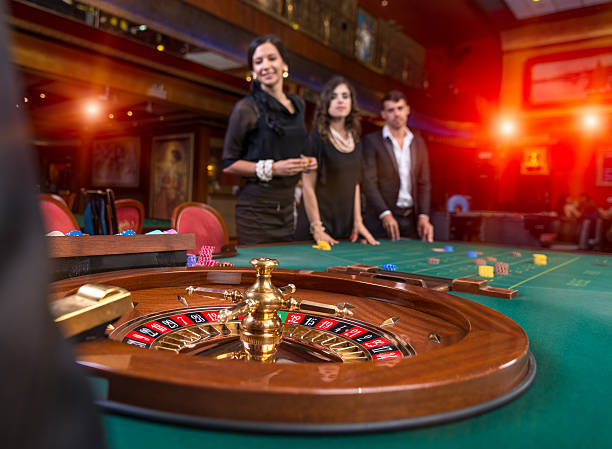
Ultimately, this psychological relationship with luck contributes to the ambiance of casinos, creating a vibrant ecosystem filled with stories of near wins and big payouts. The hope fueled by luck can invigorate players, encouraging them to spend more time and money in pursuit of that elusive winning moment. In this way, luck ultimately becomes a motivating force that drives the casino gaming experience.
Luck vs. Skill in Casino Games
The age-old debate of luck versus skill in casino games continues to be a topic of interest among players and experts alike. In games like poker, players employ strategies that utilize their skills to outsmart opponents, yet the hands dealt are still determined by luck. Conversely, games such as roulette or slot machines rely heavily on chance, as players have little to no control over the outcome. This dichotomy showcases the intricate interplay between skill and luck, emphasizing that both elements play a significant role in determining success at the casino.
While players can improve their skills through practice and experience, luck remains an uncontrollable factor that can dramatically affect the results. For instance, a skilled blackjack player can apply strategies like card counting to improve their odds, yet they cannot predict when the dealer will bust or when they will draw a winning card. This unpredictability keeps the game exciting and serves as a reminder that, at any moment, the tides can turn due to the whims of luck.
Moreover, casinos are designed to cater to both skill-based games and games of chance, ensuring a diverse gaming environment that appeals to all types of players. By providing a range of games, casinos accommodate those who prefer to rely on their talents while also appealing to those who simply seek the thrill of luck. This balance establishes a rich gaming culture where both skill and luck coexist, creating endless opportunities for exhilarating experiences.
The Role of Luck in Casino Marketing
In the world of casino marketing, luck plays a pivotal role in attracting players and enhancing their experience. Casinos often use themes and promotions centered around luck to create an inviting atmosphere. For example, lucky symbols such as four-leaf clovers or rabbits’ feet are frequently incorporated into marketing materials, encouraging players to embrace the idea that luck is on their side. This association between luck and enjoyment is a powerful marketing tool that influences potential gamblers’ perceptions.
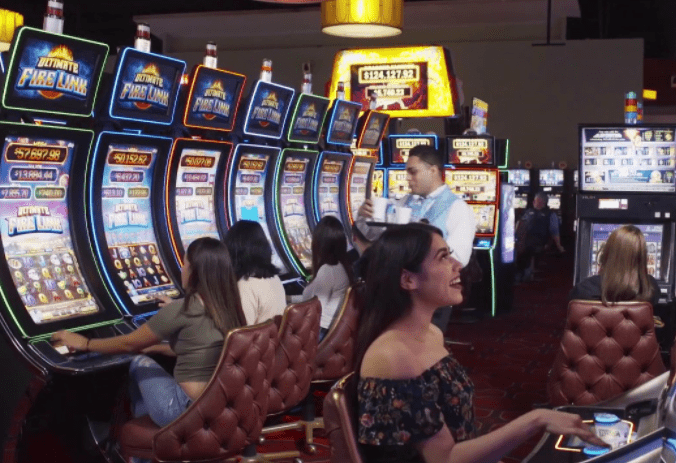
Furthermore, promotional events and contests often hinge on luck, with prizes awarded through random drawings or chance-based competitions. These tactics not only create excitement among participants but also foster a sense of community, as players gather to share in the experience. The thrill of a lucky win becomes a shared celebration, reinforcing the casino’s role as a social hub where individuals come to seek fortune and forge connections with others.
Additionally, casinos frequently highlight the success stories of fortunate players who have struck it big to inspire and attract new visitors. These narratives serve as powerful testimonials, bolstering the perception that luck indeed plays a significant role in gambling success. By weaving stories of luck into their brand identity, casinos create an environment where hope and excitement thrive, ultimately drawing in larger crowds eager to try their luck.
The Importance of Responsible Gaming
While luck is an enticing factor in casino play, it is essential to approach gambling responsibly. Understanding that luck can be both a friend and a foe is crucial for maintaining a healthy relationship with gambling activities. Players should recognize that relying solely on luck can lead to unrealistic expectations, which may result in negative experiences like financial loss or addiction. Awareness and self-regulation are vital in ensuring that gambling remains a fun and entertaining form of recreation.
Casinos often implement measures to promote responsible gaming, including setting deposit limits and providing resources for those who may struggle with gambling-related issues. It is important for players to take advantage of these resources and establish personal boundaries when engaging in casino activities. By doing so, they can enjoy the thrill of luck while also safeguarding their well-being.
Ultimately, embracing luck as part of the gaming experience should be balanced with a mindful approach to gambling. Recognizing the distinction between luck and skill and understanding the importance of responsible gaming can enhance the overall experience for players. As they navigate the casino landscape, maintaining a healthy perspective on luck can lead to a more fulfilling and enjoyable journey.