
The Allure of Risk and Reward
The thrill of risk and the potential for reward are fundamental aspects of human psychology, particularly in the context of casino gaming. Individuals are often drawn to the prospect of winning large sums of money, creating a powerful psychological incentive. The excitement associated with games of chance activates the brain’s reward system, releasing neurotransmitters such as dopamine. For those exploring various platforms, one option that stands out is the neosurf australia casino , which offers unique experiences that enhance the overall enjoyment of gaming. This chemical response results in a heightened sense of pleasure that can make the experience of playing addictive, as players chase not just wins but the feelings associated with them.
Moreover, the idea of risk-taking appeals to individuals seeking excitement and adventure in their lives. Many players find themselves returning to casino environments where unpredictability and thrill reign. This allure often overshadows the fact that the odds are generally against them. The human brain tends to downplay the potential for loss while overemphasizing the possibility of winning, a cognitive bias known as optimism bias, which further propels people into the world of gambling.
The atmosphere within casinos plays a crucial role in shaping gaming habits. The use of bright lights, vibrant colors, and stimulating sounds creates an immersive environment that enhances engagement. This sensory overload heightens excitement, making it difficult for individuals to step away from the games. The design of casinos is typically intended to keep players inside longer, and the psychological draw of these environments fosters habitual gaming behavior.
The Role of Social Interaction
Social interaction is another significant psychological factor influencing casino gaming habits. Many enjoy gambling as a social activity, finding enjoyment in playing alongside friends or even meeting new people at the gaming tables. This communal aspect fosters a sense of belonging and camaraderie among players. Group dynamics, such as shared excitement and collective experiences, enhance the enjoyment of gambling, making it more likely that individuals return to casinos to recreate these social moments.
Additionally, peer pressure and social norms can impact gaming behavior. When individuals see their friends or peers winning, they may feel compelled to join in the fun, driven by the desire to share in those accolades. The social endorsement of gambling can normalize it as a leisure activity, further encouraging habitual play. The belief that “everyone else is doing it” can contribute to an environment where gaming feels acceptable and even necessary for social interaction.

Moreover, the advent of social media has transformed how individuals perceive and share their gambling experiences. Players can now showcase their wins and losses online, creating a cycle of validation and comparison. The psychological need for recognition and feedback can drive individuals to gamble more frequently, as they seek to maintain an image of success or excitement on social platforms. This intertwining of social behavior and gambling habits is a fascinating aspect of modern gaming psychology.
Addiction and Behavioral Economics
The psychology of gambling addiction is complex and involves various cognitive and emotional factors. For some individuals, the thrill of gambling transcends mere entertainment and evolves into compulsive behavior. These individuals may experience feelings of euphoria while playing, which can lead to a cycle of reinforcement. Behavioral economics suggests that the unpredictability of wins creates a powerful feedback loop that keeps players engaged, often despite significant losses. The intermittent reward schedule found in games of chance can be particularly effective in perpetuating this cycle, reinforcing the belief that they can win again.
Moreover, the concept of loss aversion plays a significant role in gambling habits. Humans are psychologically conditioned to feel the pain of losses more intensely than the pleasure of equivalent gains. This can drive individuals to continue gambling in hopes of recouping their losses. Cognitive dissonance can also arise when players justify their continued participation in gaming despite negative experiences, making it challenging to break free from compulsive habits. Understanding these psychological mechanisms is essential for recognizing and addressing gambling addiction.
The interplay between personal values, financial circumstances, and gambling outcomes can complicate the landscape of gaming habits. Some individuals may gamble to alleviate stress or boredom in their lives. This act can serve as a temporary distraction but can quickly spiral into a detrimental cycle. Addressing gambling addiction often requires comprehensive support systems that encompass psychological counseling and behavioral therapies to help individuals understand their motivations and reshape their habits.
The Impact of Marketing and Environment
The marketing strategies employed by casinos and gaming establishments are designed to lure individuals into their gaming environments and encourage repeat visits. The use of loyalty programs, promotions, and targeted advertisements can create a sense of exclusivity and belonging among gamblers. These marketing tactics tap into psychological principles, making players feel valued and important. This can lead to increased gaming frequency, as individuals strive to maximize their rewards and benefits.
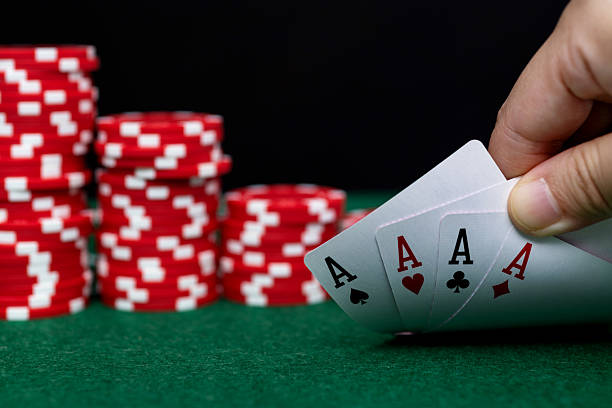
The physical design of casinos significantly influences player behavior as well. Many gaming venues are intentionally designed to disorient players, preventing them from easily identifying exits or the time spent gambling. The layout encourages exploration, enticing players to try new games or continue playing longer than they initially intended. The environment is curated with the intention of heightening excitement and minimizing any sense of urgency to leave. This designed experience can contribute to the habit of prolonged gaming.
Additionally, themed gaming areas and immersive experiences create a narrative that draws players in. By constructing a unique world within the casino, operators can tap into the player’s imagination, transforming an ordinary evening into an adventure. This narrative aspect can significantly affect individuals’ emotional connection to the gaming experience, fostering repeat visits as they seek to relive the excitement they felt during their last gaming session.
Understanding Gaming Habits through Research
Research into the psychology of casino gaming habits has revealed a wealth of insights into why individuals engage in these activities. Studies have shown that personality traits, emotional states, and life circumstances deeply affect gambling behavior. For example, individuals with high levels of impulsivity or a tendency to seek thrill are more likely to develop gambling habits. Further understanding these psychological profiles can help design interventions and support systems to assist those who may be at risk of developing unhealthy gaming behaviors.
In addition to personality traits, research also explores how socio-economic status can influence gaming habits. Individuals from lower socio-economic backgrounds may be more prone to gambling as a means of attempting to escape financial difficulties. Understanding the interplay between socio-economic factors and gambling can inform policies aimed at responsible gambling and prevention efforts. Tailored educational programs that address these vulnerabilities can help individuals make informed decisions about their gaming habits.
Finally, as the landscape of gaming evolves with technology and online platforms, ongoing research is essential for understanding new gambling trends and behaviors. The rise of online casinos and mobile gaming brings unique challenges and opportunities for both players and regulators. Understanding the psychological factors at play in these digital environments is crucial for developing responsible gambling initiatives and ensuring that players are protected from potential harm.